小売および物流バーコード規格対応 ガイド: GS1 規則、市場標準および規制ライセンス【2026 年】
ブランドと運用チームが小売、マーケットプレイス、ヘルスケア、出版向けに完全に準拠したバーコード アセットを作成するための運用ガイド。チャージバックやサプライチェーンの停止を回避するには、チェックリスト、バリデーターの埋め込み、プリセットのエクスポートに従ってください。
警告: 配送センターに配送されたバーコードがスキャン不能またはフォーマットされていない場合、1 個あたり 0.25 ドルから 5.00 ドルのチャージバックが発生し、在庫が返品または破棄される可能性があります。
GS1 標準エコシステム: ライセンス、プレフィックス、GTIN アーキテクチャ
GS1 は、事業者コードを発行し、GTIN (世界貿易品目番号) 構造を監督するグローバル ガバナンス機関です。主流の小売りチャネル (Amazon、Walmart、Target、食料品チェーン) 向けの製品の場合、正当に割り当てられた GS1 識別子を使用することが相互運用性への信頼できるパスです。サードパーティまたは eBay 販売者から単一の「バーコード」を購入すると、多くの場合、GTIN が重複して小売業者によって拒否されたり、在庫の混在やチャージバックが発生したりする可能性があります。
GS1 の仕組み
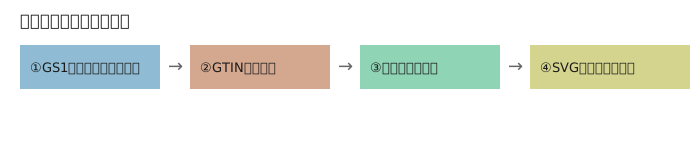
概要として、GS1 は会社プレフィックス (会社が管理する GTIN の先頭の桁を形成する固有の番号) を発行します。梱包レベルと使用例に応じて、GTIN-12 (UPC)、GTIN-13 (EAN)、または GTIN-14 (ITF-14 コンテナ) を作成するには、そのプレフィックスの後に品目参照番号を割り当てます。 GS1 は、バッチ、シリアル、有効期限などの追加の構造化データをエンコードするために GS1-128 で使用されるアプリケーション識別子 (AI) も公開します。
登録の流れ
- 各国の GS1 当局 (GS1 US、GS1 UK など) に登録します。
- 予想される SKU 数に適した会社プレフィックスを受け取ります。
- 取得した事業者コードと自社の商品アイテムコードを組み合わせてGTINを設定します。
- GS1 ドキュメントを使用して、UPC、EAN、または GTIN-14 (コンテナー) としてエンコードするかどうかを決定します。
運用上の落とし穴
- 再利用された GTIN をサードパーティのマーケットプレイスから購入しないでください。 GTIN の所有権が競合する危険があります。
- 人間が判読できる GTIN とバーコード 符号化が正確に一致していることを確認してください。不一致は受信時に直ちに危険信号となります。
- 多層包装: マスター カートンには GTIN-14 (ITF-14) を使用し、小売品目には GTIN-12/13 を使用します。
1. Amazon FBA ラベル要件: FNSKU とメーカー追跡
Amazon は二重追跡環境を運用しています。メーカーが割り当てた GTIN がすでにあるブランドの下で商品を出品する場合は、それらの GTIN を使用できます。ただし、Amazon が混合を防ぐために独自のフルフィルメントレベルの追跡を必要とする場合は、FNSKU ラベル (フルフィルメント ネットワーク在庫管理単位) を適用する必要があります。入荷拒否を回避するには、Amazon が FNSKU を必要とする場合と、ラベルのフォーマット方法を理解することが不可欠です。
FNSKU が義務化されるのはどのような場合ですか?
Amazon は、次のような一般的なケースで FNSKU を義務付けています。
- 商品が別のブランドで出品されているか、ASIN が販売者アカウントに一意にリンクされていません。
- Amazon 固有の追跡を必要とするプログラム (FBA の削除、マルチチャネル フルフィルメントなど) に登録します。
- Amazon が出荷品の作成中に FNSKU ラベルを明示的にリクエストする場合。
FNSKUラベル要件
許容される FNSKU ステッカーには以下が含まれている必要があります。
- 正しいシンボルの FNSKU バーコード (スキャン領域) (通常、FNSKU 出力のコード 128、または販売者セントラルによって指定された UPC/GTS)。
- バーコードの下にある人間が判読できる FNSKU 文字列。
- Amazon が必要とする場合、商品タイトルと状態状態がラベルの近くに印刷されます (カテゴリーによって異なります)。
- Amazon の公開仕様に一致するバーコードの寸法とクワイエットゾーン (Amazon セラーセントラルでは特定の最小サイズとマージン要件が提供されます)。
遵守しない場合は、Amazon による入荷の拒否、在庫の削除、または料金やチャージバックの再ラベル付けが行われます。手動処理のコストに加え、入手が遅れる可能性があるため、ラベルの製造コストが小さく見える可能性があります。
FBA ASINの混在を防ぐ
混合は、Amazon が異なる販売者の同じ ASIN を持つユニットをプールすることを許可している場合に発生します。これを防ぎ、ブランドの完全性を保護するために、販売者は次のことできます。
- ブランド登録に登録し、メーカーの所有権の証拠を提供してください。
- 販売者が割り当てた出品には一意の FNSKU を使用し、物理ラベルがデジタル識別子と正確に一致することを確認します。
- 一貫した GS1 GTIN 所有権を維持して、偶発的な混合の可能性を減らします。
レイアウトのチェックポイント: 承認されるFNSKUラベルは、バーコードの周囲に十分なクワイエットゾーンを確保し、人間が読めるFNSKU文字列をバーコードの直下または直上に配置し、商品パッケージのデザイン要素と重ならないようにしています。拒否されるレイアウトの多くは、クワイエットゾーンへの文字や画像の侵入、コントラスト不足、印刷解像度不足が原因です。
2. FDA Unique Device Identification (UDI) と医療コンプライアンス
米国で販売される医療機器の場合、FDA は機器のパッケージ (場合によっては機器自体) に UDI マーキングを義務付けています。 UDI は、多くの場合 GS1 GTIN であるデバイス識別子 (DI) と、ロット/バッチ番号、シリアル番号、有効期限などの製造識別子 (PI) で構成されます。これらのデータ要素は通常、部品のサイズや業界の慣例に応じて、GS1-128 またはData Matrix シンボルでエンコードされます。
DI および PI シーケンス構造
一般的な GS1-128 UDI 格納データには、次のような AI が含まれる場合があります。
- (01) GTIN — デバイス識別子
- (17) 有効期限 — YYMMDD
- (10) バッチ/ロット番号 — 可変長
- (21) シリアル番号 — 可変長
これらをエンコードするには、可変長フィールドが固定長フィールドの前にある場合、正しい AI 順序と FNC1 セパレータの正しい使用が必要です。多くのエンコーダ ライブラリは GS1-128 UDI プリセットを提供します。利用可能な場合は、FDA UDI チェッカーに対して出力を検証します。
GS1-128 とヘルスケアにおけるData Matrix
Data Matrix は、コンパクトなマーキングと誤り訂正により、小型の手術キット品目や埋め込み型デバイスでの使用が増えています。より大きなパッケージの場合は、GS1-128 が依然として一般的です。マーキング要件については、デバイスクラス固有のガイダンス (クラス I/II/III) および FDA タイムラインを常に確認してください。
検証と滅菌に関する考慮事項
マークがパッケージまたはデバイス自体に適用されている場合は、滅菌サイクル下でバーコードの永続性を検証します。 DPM の実務上の推奨事項を使用し、実際の素材でテストします。一部のインクやエッチングはオートクレーブ条件下で劣化します。
3. 書籍出版標準: ISBN をスキャン可能な EAN-13 + 5 コードに変換する
Bookland EAN は、ISBN-13 を EAN-13 バーコードにマッピングする標準です。独立系出版社は、小売価格情報をエンコードするために、オプションの 5 桁の価格拡張子 (EAN-5) も生成する必要があります。正しい配置、クワイエットゾーン、人間が判読できるテキストの配置は、書店やオンライン フルフィルメント センターの小売スキャナにとって非常に重要です。
ISBN を EAN-13 にマッピングする
ISBN-13 は、Bookland 接頭辞 (通常は 978 または 979) が接頭辞として付けられた場合、構造的に EAN-13 と同等になります。チェック ディジットが EAN エンコードに対して正しいことを確認し、ISBN をバーコードの下に人間が判読できるテキストとして表示します。
5 桁の価格表示オプションの生成
EAN-5 は通貨と価格をエンコードします。たとえば、最初の数字は通貨または特別なフラグを示します。エンコードエラーを避けるために、適切な EAN-5 計算機を使用してください。配置: 5 桁の内線番号は、メインの EAN シンボルの右側、わずかに高い位置にあります。多くのプリンタは、正しい位置合わせのためのテンプレートを提供しています。大量生産の前に、必ずサンプルのグラブ コードと照合して検証してください。
グローバル マーケットプレイスのコンプライアンス チェックリスト
以下の表は、主要なチャネルにわたる主要な要件をまとめたものです。出荷前検証の参考としてご利用ください。
| コンプライアンスチャネル | コア識別子の形式 | 必須の内容 | 最小印刷高さ | 配置の制約 |
|---|---|---|---|---|
| アマゾンFBA | FNSKU / UPC | FNSKU 文字列、製品タイトル/条件 (必要に応じて) | 0.25 インチ (カテゴリによって異なります) | 曲面やシールを避ける |
| ウォルマート | GTIN-12 / 13 | 人間が判読できる GTIN | 0.75インチ | 本の右下の裏表紙。パッケージ商品センター |
| FDA UDI | GS1-128 / データマトリックス | 人間が判読できる DI + PI | デバイスクラスに依存 | 保存期間/滅菌後も判読できる必要がある |
| グローバルブックストア | EAN-13 + 5 桁の内線番号 | ISBN 人間が読めるテキスト | 1.00インチ | 裏表紙の右下象限 |
カテゴリ固有の許容差については、必ず受け取り小売店の最新ドキュメントを参照してください。
よくある質問 (FAQ)
- eBay で Amazon 用の安いバーコードを購入できますか?
- いいえ、ランダムな GTIN を購入すると、GTIN が競合したり混在したりする危険があります。 Amazon およびその他のマーケットプレイスの場合は、必要に応じて、GS1 によって割り当てられた GTIN または一意の FNSKU を使用します。
- バーコードのクワイエットゾーンが遮断された場合はどうなりますか?
- クワイエットゾーンが欠落していると、スキャナがシンボル境界を検出できなくなり、拒否または手動介入が発生することがよくあります。推奨されるクワイエットゾーン (1次元コードの場合は通常 9 ~ 10 × X) を維持します。
- FNSKU とは何ですか? UPC との違いは何ですか?
- FNSKU は、出品者の出品に割り当てられる Amazon の内部追跡識別子です。 UPC は、小売業全体で広く使用されている GS1 GTIN です。 FNSKU は、Amazon の要求に応じて在庫の混在を防ぎます。
- 書籍の価格付加コードを生成するにはどうすればよいですか?
- EAN-5計算ツールを使用し、Booklandガイドラインに従ってください。最初の数字は通貨または価格区分をエンコードします。5桁の付加コードとして埋め込む前に、正しい丸めと形式を確認してください。
- GS1 US と GS1 UK の識別子の違いは何ですか?
- GS1 の現地オフィスは会社プレフィックスを発行し、メンバーシップを管理します。どちらも GS1 グローバル標準に従っていますが、登録、請求、サポートはローカルで行われます。プレフィックスの割り当ては国の当局によって異なります。
- 小売店のチェックアウトに QR コードを使用できますか?
- 通常はそうではありません。小売 POS システムは、レジでのスキャンに1次元シンボル (UPC/EAN) に大きく依存しています。 QR コードは、標準のチェックアウト ID ではなく、消費者向けのリンクとプロモーション用です。
- 欠陥のあるバーコードに対する小売店のチャージバック罰金とは何ですか?
- 罰金は小売業者によって異なり、1 個あたり 0.25 ドルから 5.00 ドルの範囲であり、これに在庫手数料が加えられる可能性があります。違反が繰り返されると、出品停止や是正費用の増加につながる可能性があります。
- 出荷前に準拠ラベルがスキャン可能かどうかをテストするにはどうすればよいですか?
- 認定された検証ツール (バーコード用は ISO/IEC 15426) を使用し、販売パートナーが使用する代表的なスキャナーでテストします。校正刷りを印刷し、人間が判読できるチェックを含むエンドツーエンドのスキャン テストを実行します。
概要: サプライチェーンをコンプライアンス リスクから保護する
コンプライアンスは、現代のサプライチェーンにおける合否の関門です。 GS1 が割り当てた識別子を使用し、市場のラベル仕様に従い、認定された検証ツールで出力を検証します。ベクター アセット (SVG/EPS) をエクスポートして、本番印刷での線幅の忠実性を維持します。疑わしい場合は、大量の印刷部数を作成する前に、プラットフォームのバリデータを使用してコンプライアンス チェックを実行してください。
最終アクション ループ: Compliance Validator を使用して格納データを検証し、Amazon FNSKU、GS1-128 UDI、または Bookland EAN 出力のエクスポート プリセットを選択します。印刷実行の自動化と監査証跡のために、検証された CSV を保存します。